Key takeaways
- Musty odors are an early clue.
- Mold often hides behind walls, under floors and in attics.
- Testing helps when growth is hidden or unclear.
- Do not disturb visible mold.
Common signs
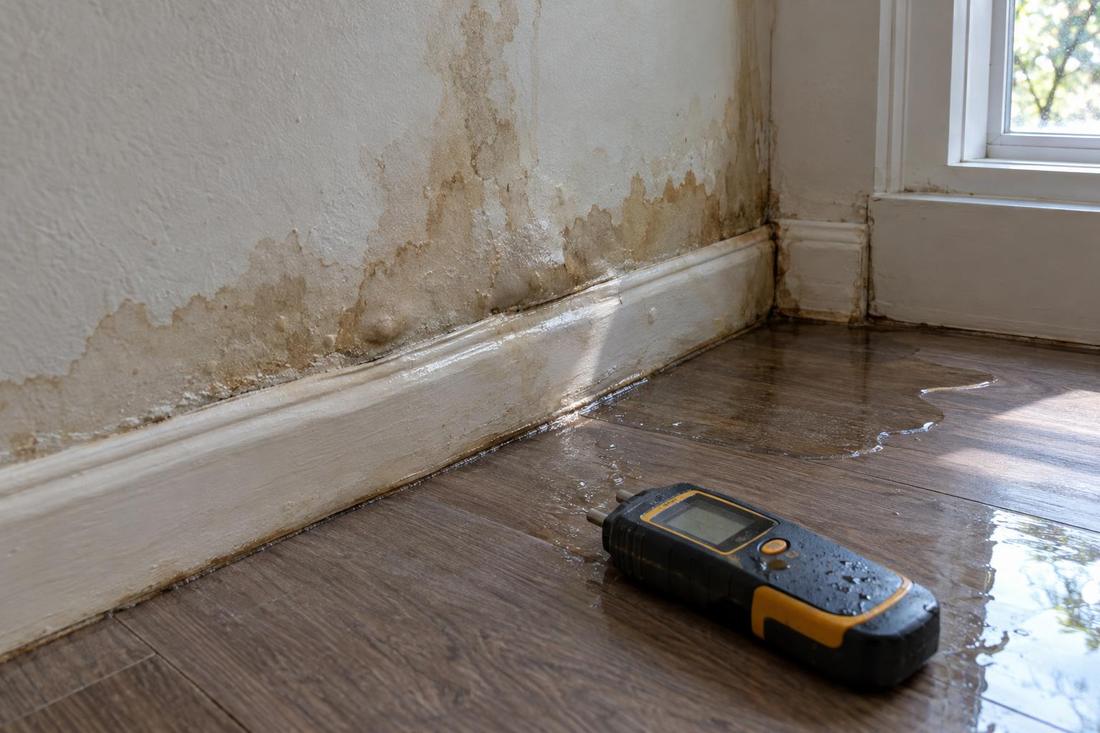
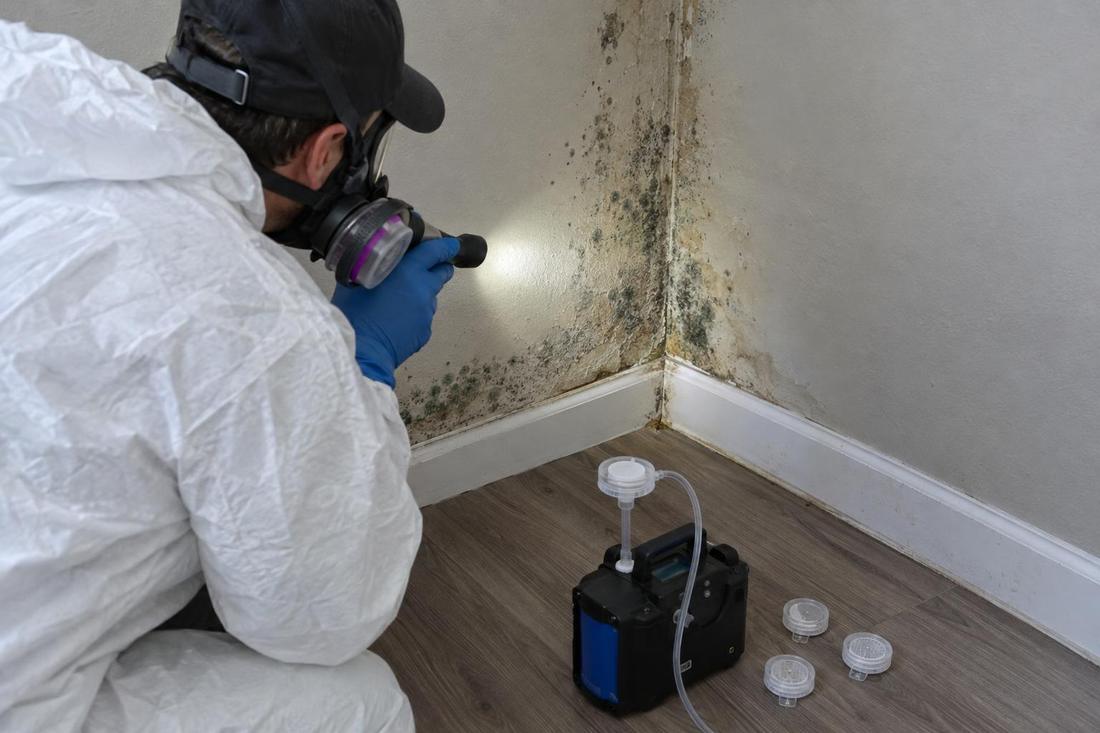
A musty smell, dark or fuzzy spots, peeling or bubbling paint, stained ceilings and walls that feel damp are signs. Allergy-like symptoms that improve when you leave home can also be a clue.
None of these proves mold alone.
Where it hides
Mold grows behind wallpaper and baseboards, under carpet pad, inside walls near leaks, in attics under roof leaks and in crawl spaces. HVAC systems can also harbor growth.
Look near plumbing, windows and roofs.
When to test
If you can see mold, you usually do not need testing to decide to remove it. Testing helps when you smell mold but cannot find it, after remediation to confirm results or for real estate decisions.
Testing results need interpretation.
What to do
Avoid scrubbing or sanding, which can spread spores. Fix any active leak and call a professional for inspection.
We inspect homes in Nashville and Middle Tennessee and tell you honestly what we find.
Quick answers
Can I test for mold myself?
Home kits are limited. Professional inspection gives more reliable information.
Is all mold harmful?
Reactions vary, but any significant indoor growth should be addressed.