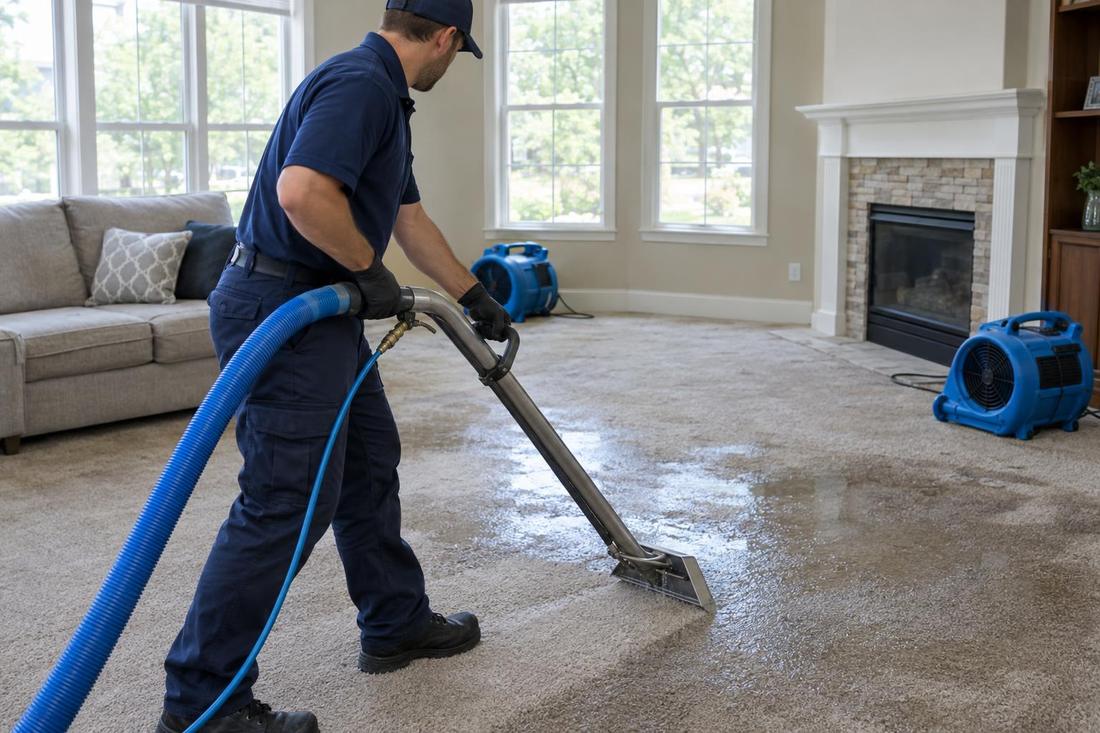
Key takeaways
- Extraction removes the bulk of the water first.
- Air movers and dehumidifiers work together.
- Moisture meters guide how long drying lasts.
- A job is dry when readings return to normal.
Step one: extraction
Pumps and extractors remove standing water and water held in carpet and pad. The more water removed mechanically, the less has to evaporate.
Water that cannot be extracted has to be dried out of materials.
Step two: airflow and dehumidification
Air movers push dry air across wet surfaces to speed evaporation. Dehumidifiers pull the moisture out of the air so it does not just settle elsewhere. Using both together is far more effective than fans alone.
Equipment is placed based on how the building is laid out.
Step three: measuring
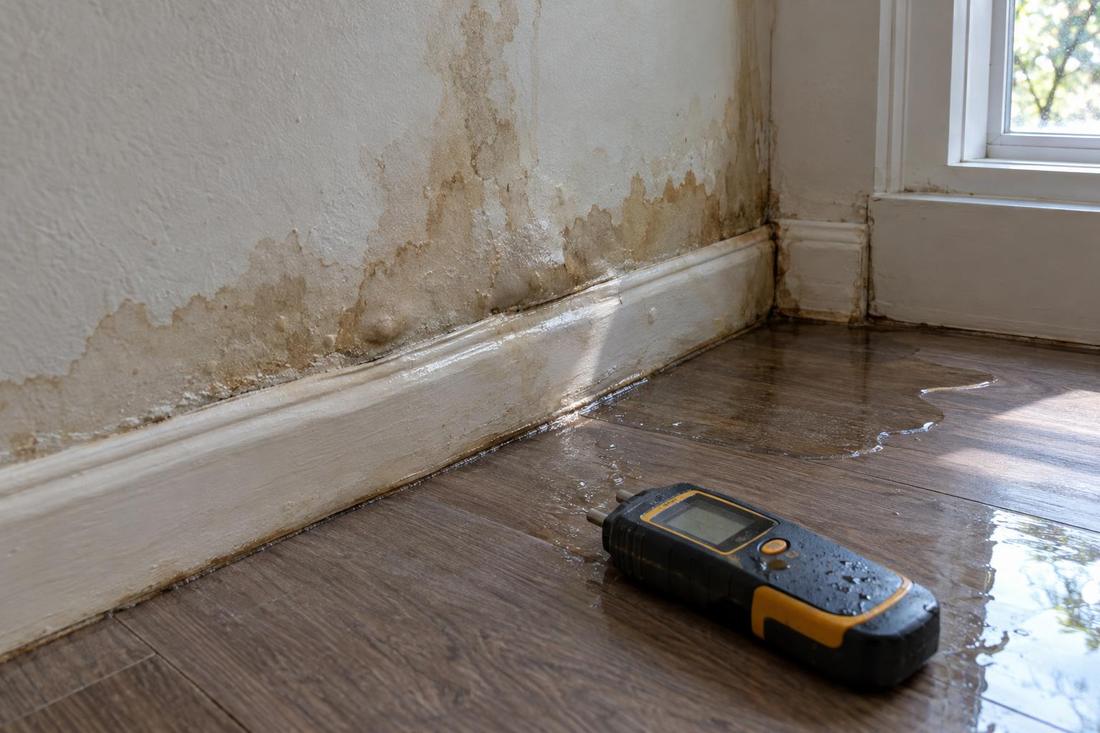
Moisture meters and thermal cameras show what is wet. Readings are taken every visit and compared with dry reference readings for the same material.
Equipment is adjusted or removed as areas dry.
How long it takes
Many jobs take a few days. Thick materials, high humidity and large loss areas take longer.
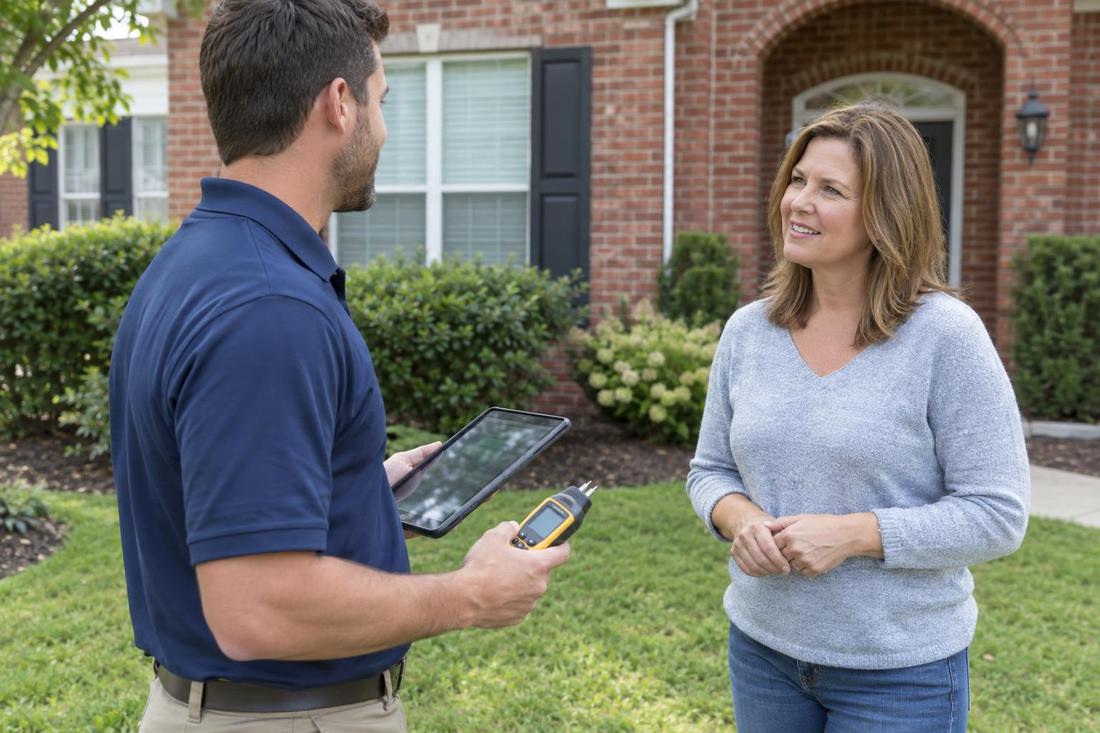
We tell Nashville homeowners what to expect and show readings so you can see progress.
Quick answers
Why is the equipment loud?
Air movers and dehumidifiers move a lot of air. The noise means it is working.
Will my electric bill go up?
Drying equipment uses power. We can explain what to expect.