Key takeaways
- Soot is acidic and can etch surfaces over time.
- Different fires leave different kinds of soot.
- Wiping wrongly can smear and set stains.
- Odor needs source cleaning, not fragrance.
Why soot is a problem
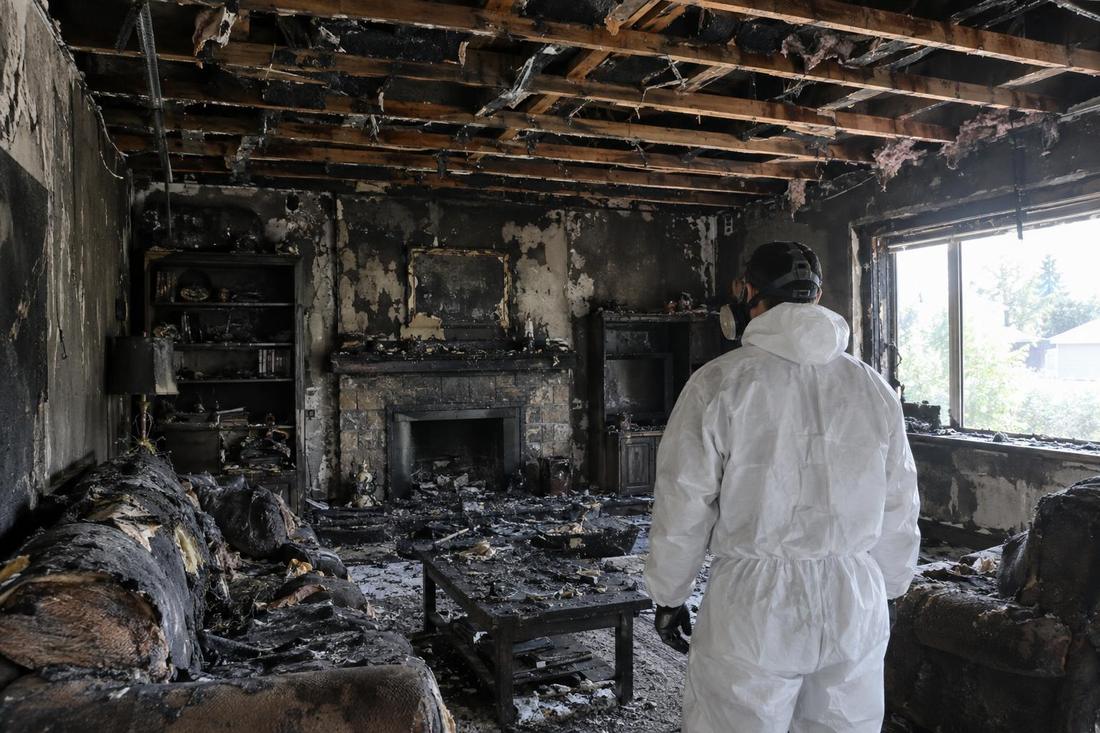
Soot particles are small, oily or dry and slightly acidic. They settle on every surface, cling to porous materials and can corrode metal and etch glass over days and weeks.
Cleaning sooner means less permanent damage.
Types of soot
Fast, hot fires leave dry soot, while slow, smoldering fires leave greasy, smeary residue. Kitchen fires leave sticky grease soot. Each needs a different cleaning method.
We test a small area to choose the right one.
Why odor sticks
Smoke particles soak into drywall, insulation, upholstery and ducts. They keep releasing odor, especially in humid weather.
Real odor removal cleans and seals the source and treats the air.
What to do
Avoid wiping, do not run the HVAC and keep people with breathing conditions away. Call a restoration company early.
We help Nashville homeowners with soot and smoke cleanup and rebuild planning.
Quick answers
Can soot damage my HVAC?
Yes. Running the system can spread soot, so wait for guidance.
Will repainting cover smoke odor?
Not by itself. Without cleaning and sealing, odor often returns.