Key takeaways
- Hard, non-porous items are the easiest to save.
- Water type and time wet matter a great deal.
- Sewage-contaminated porous items are usually discarded.
- Sentimental items deserve extra effort.
Materials that can often be saved
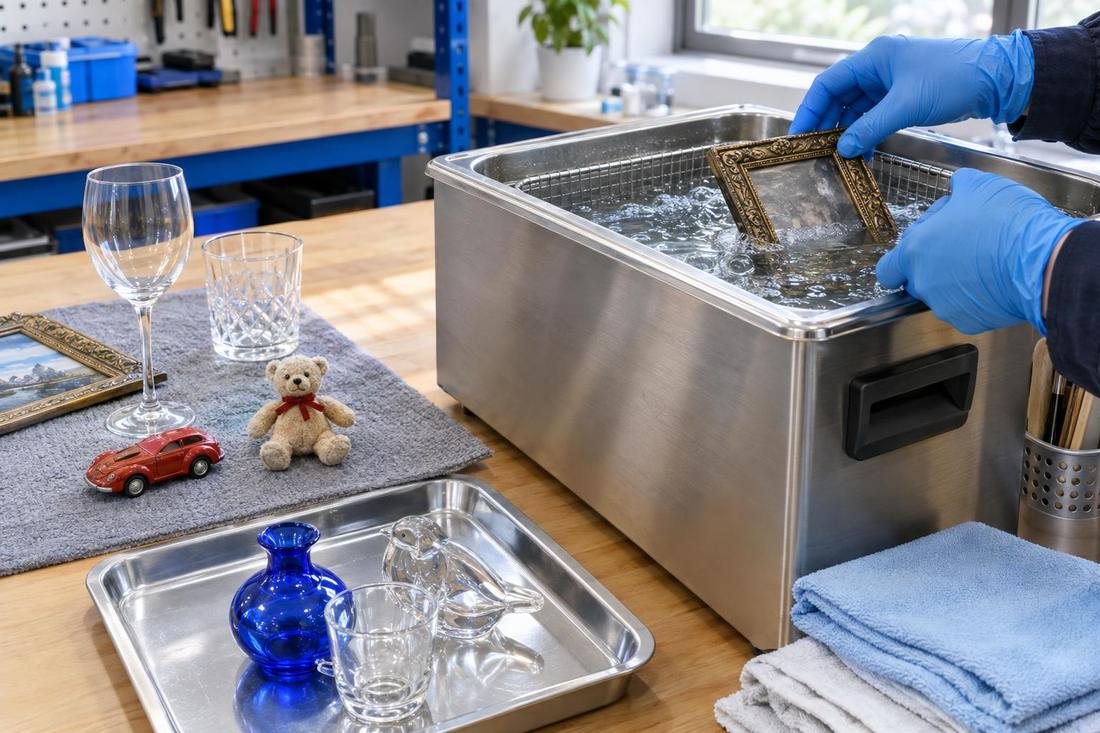
Glass, metal, hard plastic, ceramic and sealed wood can usually be cleaned and disinfected. Many fabrics can be laundered or dry cleaned after smoke or clean water.
Quick action raises the odds.
Materials that often cannot
Porous items soaked by sewage or floodwater, carpet pad, insulation and drywall that stayed wet for days are usually replaced. Heavily charred items are not recoverable.
Mold can also make items unsalvageable.
How the decision is made
We consider what the material is, what kind of water or smoke touched it, how long it was wet and what cleaning methods apply. We test when it helps and explain our reasoning.
We try to save what can be saved without risking your health.
Sentimental and valuable items
Photos, documents, heirlooms and electronics get special handling. Tell us what matters most and handle wet items gently until we can help.
We help Nashville homeowners recover as much as possible.
Quick answers
Can wet photos be saved?
Often yes if handled quickly. Do not let them dry stuck together.
How do I know if carpet can be saved?
It depends on the type of water and how long it was wet. We can test and advise.