Key takeaways
- Insulate pipes in attics, crawl spaces and exterior walls.
- Let faucets drip during deep freezes.
- Keep the heat on and cabinet doors open.
- Know where your main shutoff is.
Which pipes are at risk
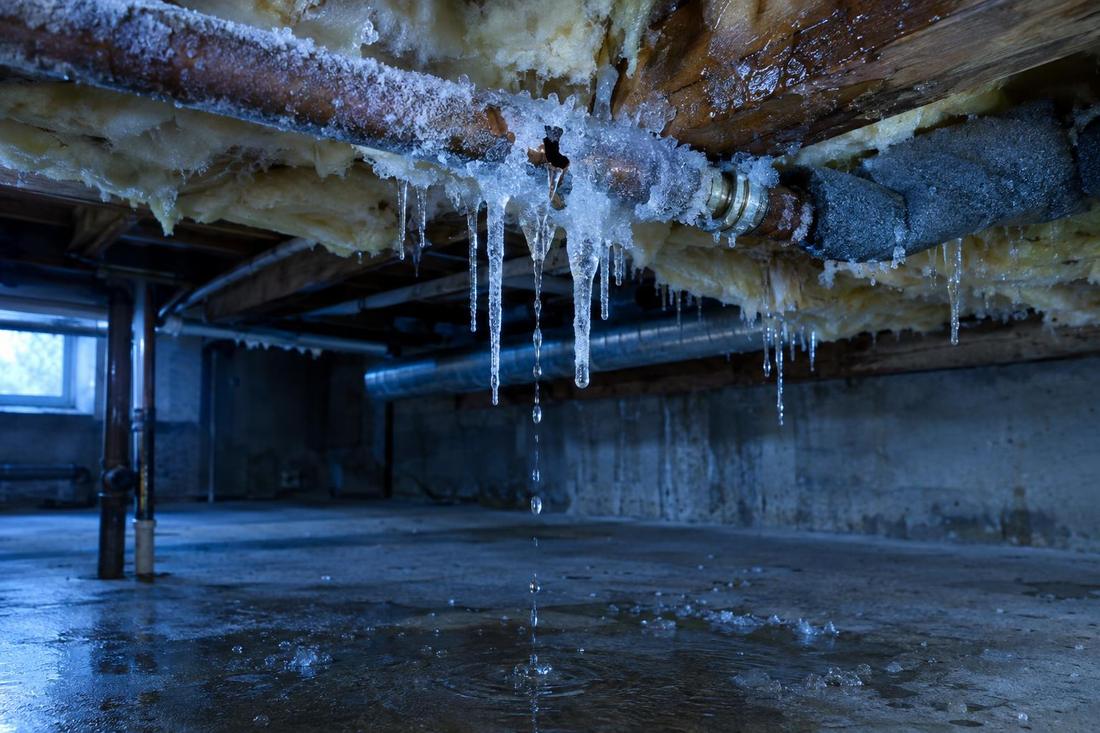
Pipes in unheated areas such as crawl spaces, attics, garages and exterior walls freeze first. Supply lines near vents or gaps can freeze even in heated rooms.
Tennessee cold snaps are brief but sharp, which catches many homes unprepared.
Simple protection
Insulate exposed pipes, seal gaps near pipes, disconnect hoses and keep the thermostat set to a reasonable temperature even when away. Open cabinet doors on exterior walls so warm air reaches pipes.
Let faucets drip slightly during a hard freeze.
If a pipe freezes
If you notice no water or a trickle, turn off the main water and call a plumber. Do not use open flames. Thaw slowly with warm air if you can reach it safely.
If a pipe bursts, shut off the water and call us.
After the thaw
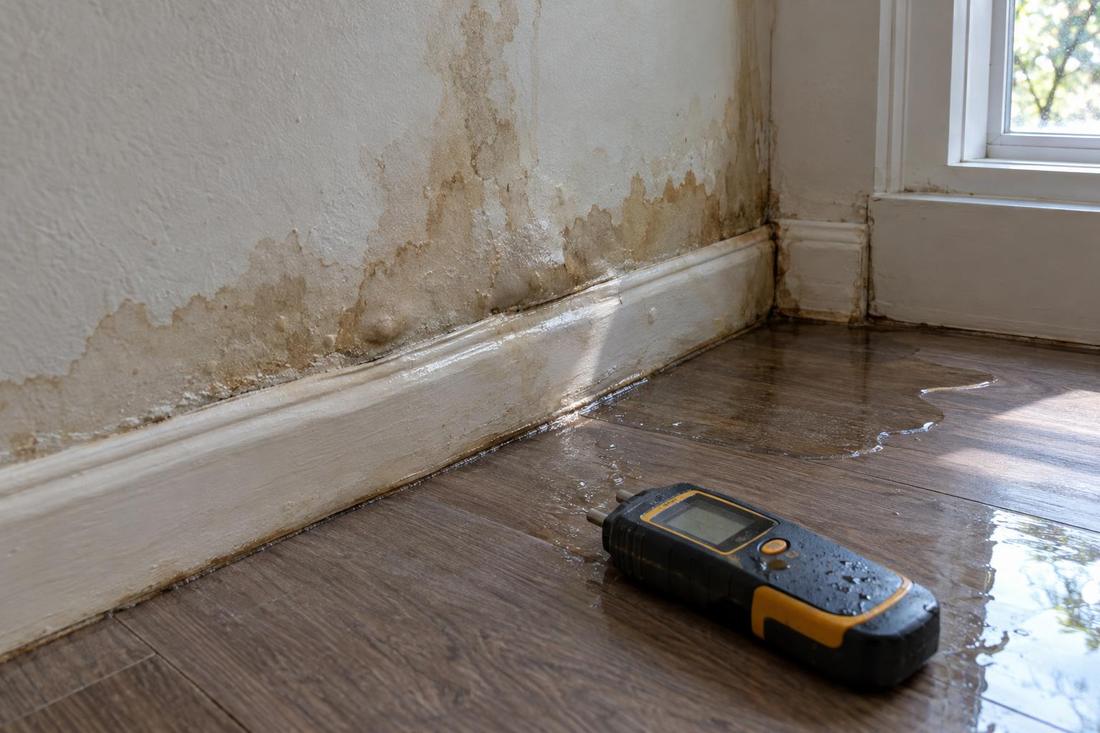
Water often flows only when pipes thaw, so check for leaks as temperatures rise. Look at ceilings, floors and walls.
We clean up freeze damage for homeowners across Middle Tennessee.
Quick answers
How cold does it have to be?
Pipes can freeze when temperatures stay below freezing for several hours, especially with wind and poor insulation.
Should I leave my water on if I travel?
Many people shut off the main water and drain lines, or keep heat on and ask someone to check the house.